Why is Rail Joint Welding Essential for Railway Infrastructure Maintenance?
Rail Joint Welding is a crucial component in the maintenance of railway infrastructure. A report by the International Union of Railways (UIC) highlights that over 40% of rail failures can be linked to improper joint maintenance. This statistic underscores the importance of ensuring that rail joints are welded correctly. Experts in the field agree on this necessity. Dr. Emily Carter, a renowned railway engineering expert, states, "Effective rail joint welding can prevent catastrophic failures and extends the life of rail systems."
The technique of Rail Joint Welding enhances the structural integrity of railways. It helps in distributing the load evenly across the railway track. Having a solid joint minimizes disruptive vibrations that can lead to track deformation. However, inconsistencies in execution can lead to weaknesses. This creates a need for teams to reflect on their welding processes regularly.
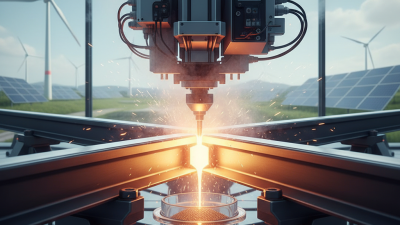
Furthermore, advancements in welding technology support the push for better reliability. Automated welding systems can improve consistency. Yet, human oversight remains vital for inspections after the process. Maintaining high-quality Rail Joint Welding standards is essential for the safety and efficiency of train operations.
The Importance of Rail Joint Welding in Railway Infrastructure
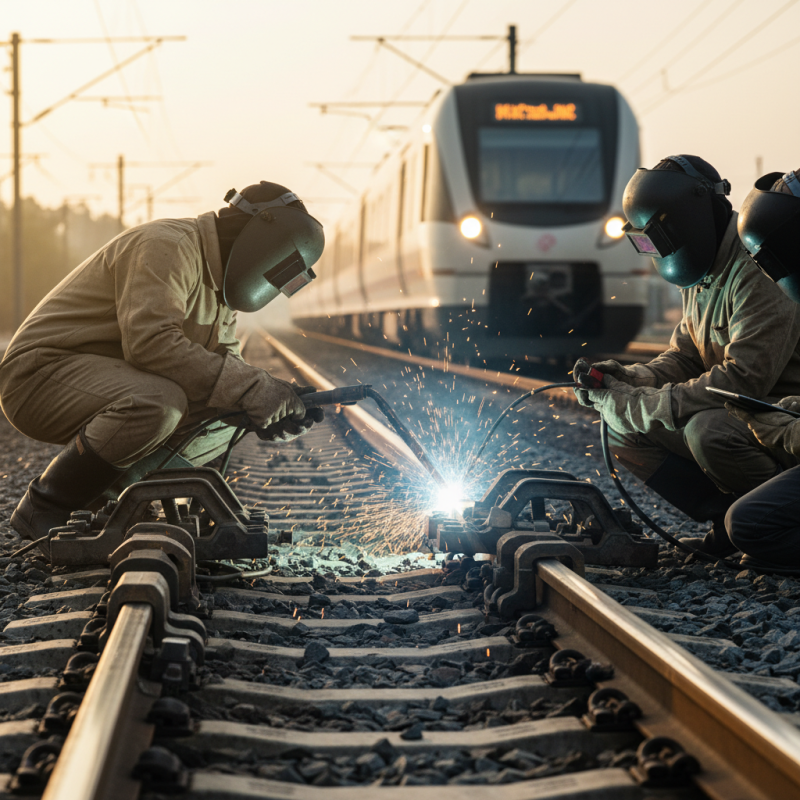
Rail joint welding plays a critical role in maintaining railway infrastructure. It ensures the seamless connection between rail sections, which directly affects the train's stability and safety. A well-welded rail joint minimizes the chances of track misalignment and derailments.
Without high-quality welding, tracks can suffer from increased wear and tear. Regular inspections are essential, but they may not catch all potential issues. Poor welding can lead to cracks, which pose severe risks. Professionals must continually assess their techniques to guarantee safety.
Implementing advanced welding techniques can enhance durability. However, not all railway teams have access to the latest technology. Some regions still rely on traditional methods, risking the integrity of their networks. Continuous training is necessary for staff. It's important to recognize that even experienced welders must adapt to evolving standards.
Understanding the Process of Rail Joint Welding
Rail joint welding is a critical process in maintaining railway infrastructure. This technique involves joining two rail segments to create a continuous, smooth track. The process enhances stability and reduces wear on trains. It is essential for the safety of passengers and freight transport.
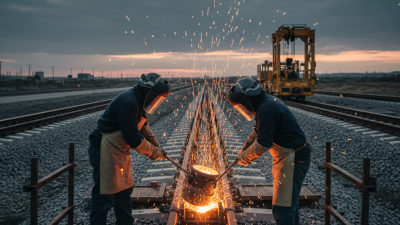
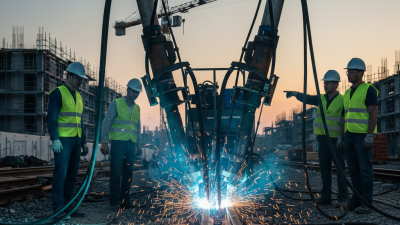
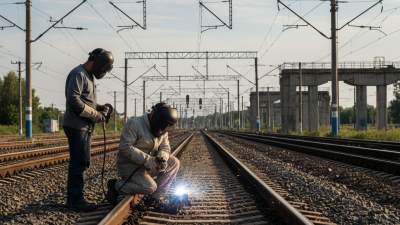
The welding process typically involves alignment, heating, and cooling. Rails are precisely aligned to ensure a perfect fit. Then, they are heated using an electric arc or other methods. The molten metal fills the gap, creating a strong bond. After welding, the track is cooled gradually to prevent cracks. This method requires skilled technicians to ensure quality workmanship.
Tips: Regular checks on welded joints can prevent damages. Visual inspections help identify wear early. It's also crucial to maintain clean workspaces to avoid contamination during welding. Remember, practice makes perfect. Mistakes can occur, but each is an opportunity for growth. Strive for continuous improvement in every welding project.
Common Challenges in Rail Joint Welding Maintenance
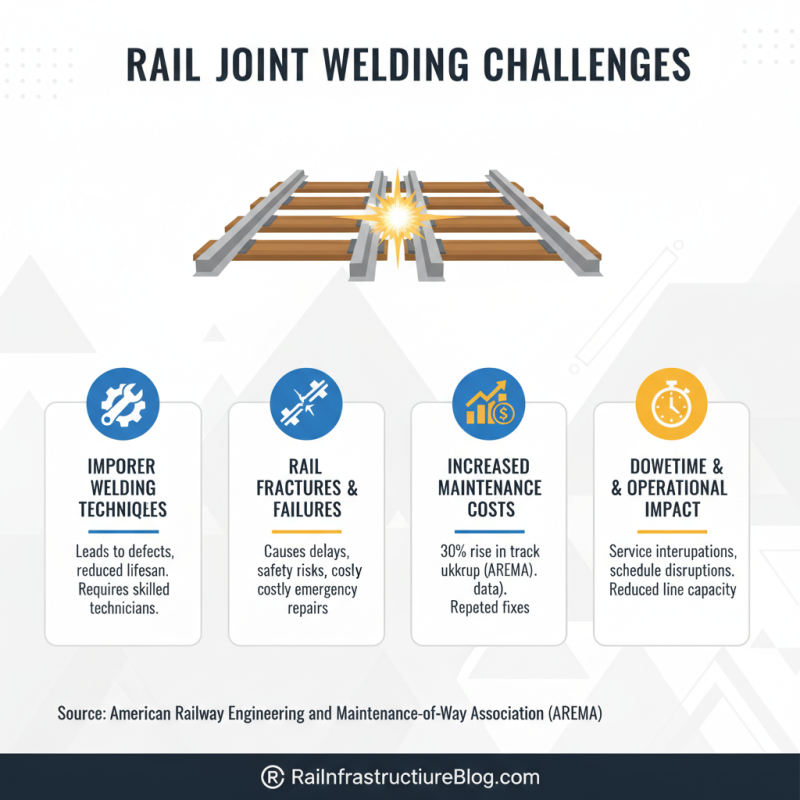
Rail joint welding is a critical aspect of railway infrastructure maintenance. However, it comes with several challenges that require attention. According to the American Railway Engineering and Maintenance-of-Way Association (AREMA), improper welding can lead to a 30% increase in track maintenance costs. Poorly executed welds may result in rail fractures, causing delays and costly repairs.
Environmental factors also pose significant challenges. High humidity and temperature fluctuations can hinder the welding process, leading to weak joints. A 2020 report by the Federal Railroad Administration noted that around 2% of all rail failures were attributed to inadequate welding techniques. Effective training of welders is essential to prevent these issues. Regular inspections and updates in welding technology can mitigate risks. A lack of investment in modern equipment can further exacerbate these challenges.
Moreover, worker safety is an ongoing concern. Welding poses health risks due to exposure to harmful fumes and heat. Ensuring proper ventilation and protective gear is critical. The industry needs more effective protocols to manage these hazards. Attention to these factors is necessary for sustainable railway infrastructure.
Advantages of Welded Joints Over Traditional Rail Joints
Welded rail joints are becoming the preferred choice for railway infrastructure maintenance. Traditional rail joints can lead to increased wear and tear. A study by the American Railway Engineers and Maintenance-of-Way Association highlights that welded joints reduce the chance of rail misalignment by 30%. This improvement significantly enhances train safety and operational efficiency.
One of the significant advantages of welded joints is their structural integrity. They create a seamless connection between rails, minimizing the risk of joint failure. This is crucial, especially in high-speed rail networks. According to research, welded joints can extend the lifespan of rails by up to 50%. This reduction in maintenance frequency translates to lower overall costs for railway operators, making them a reliable investment.
However, welding requires specialized training and equipment. Proper execution is critical. Mistakes in welding can lead to severe consequences, such as rail breaks. Monitoring and evaluation of weld quality must remain a priority. Failure to do so compromises the reliability of the entire railway system. Emphasizing ongoing training and investment in technology can mitigate these risks.
Future Trends in Rail Joint Welding Technology and Practices
Rail joint welding technology is evolving rapidly, driven by the need for enhanced safety and durability in railway infrastructure. Recent studies indicate that about 30% of rail failures stem from poor joint maintenance. As railway networks expand, the demand for more efficient welding techniques rises. Advanced methods like automated laser welding and friction stir welding are gaining traction. These technologies promise stronger bonds and reduced thermal distortion, addressing some traditional issues in joint integrity.
Tips: Regular training on new techniques is key. Ensure your team stays updated on best practices.
Future trends also point towards smart monitoring systems integrated with welding processes. These systems can track real-time data, ensuring quality control during and after welding. Implementing predictive maintenance strategies, backed by data analytics, can help in anticipating service disruptions. In turn, this translates into operational efficiency and reduced costs over time.
Tips: Invest in training programs for staff. Emphasizing the importance of continuous learning can improve performance.
Adopting sustainable practices in rail joint welding will be essential. Research shows that eco-friendly materials can lower the carbon footprint of railway services. However, not all innovations are ready. Some methods still need extensive field testing for reliability. Balancing innovation with practicality is vital for future advancements in this sector.