How to Choose the Best Thermit Welding Kits for Your Needs?
Choosing the right Thermit Welding Kits is crucial for various industries. The global thermit welding equipment market is projected to grow at a CAGR of 5.2% by 2025. This growth highlights its increasing relevance in sectors like railways and construction. Companies rely on these kits for their reliability and efficiency in repairing and joining metal components.
Selecting the ideal Thermit Welding Kit involves understanding your specific needs. Factors include the material types, the scale of your projects, and the environmental conditions. Industry reports reveal that improper selection can lead to significant downtime and increased costs. It’s essential to assess your requirements carefully.
Many users overlook the importance of compatibility. Not all kits work with every material or under all conditions. This oversight can lead to poor weld quality and safety concerns. Therefore, do thorough research and consult with experts before making a purchase. Your investment in Thermit Welding Kits should align with both your operational needs and safety standards.
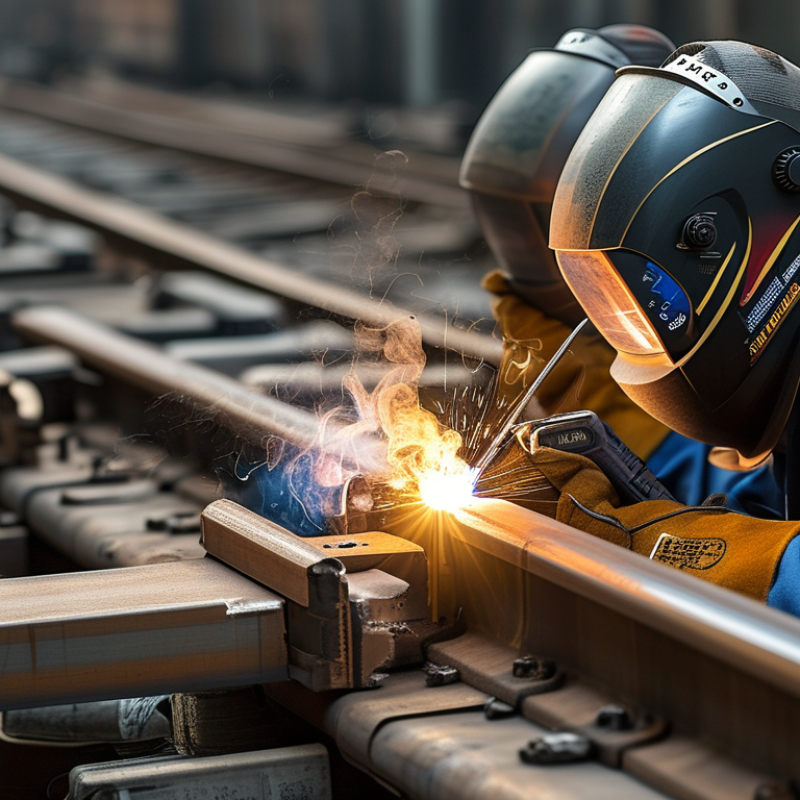
Understanding Thermit Welding: Basics and Benefits
Thermit welding is a unique joining process that
uses exothermic reactions to produce heat. This method is popular in heavy industries, particularly rail
and construction sectors. According to the International Institute of Welding (IIW), thermit welding can
achieve joint strengths comparable to that of the base materials, making it a reliable choice for demanding
applications.
One of the primary benefits is the portability of thermit welding kits. These kits
often come with essential components such as thermit powder, a reaction vessel, and igniting tools. A report
by the American Welding Society found that the efficiency of thermit welding allows for a reduction in labor
costs, benefiting project timelines. However, proper training is critical;
improper use can lead to safety hazards, as the process generates high temperatures.
Additionally, there are limitations to consider. Thermit welding is not ideal for thin materials. The heat
required may be excessive, causing warping or other issues. Organizations should weigh these factors against
their specific needs. Selecting the right thermit welding kit requires a thorough understanding of these
fundamental principles and an assessment of your project requirements.
Key Features to Consider in Thermit Welding Kits
When selecting a thermit welding kit, several key features are essential to ensure your project’s success. The material quality matters a lot. Look for kits that use robust components. A well-constructed kit will deliver better results. Pay attention to the packaging too. It should protect the materials during transport and storage.
Another important aspect is the kit's ease of use. Beginners should opt for kits that include comprehensive instructions. Clear guidance helps avoid errors and saves time. Additionally, consider the duration of the welding process. Some kits offer faster results, which can be crucial for time-sensitive projects.
Efficiency isn't everything. Reliability also plays a vital role. Regularly assess your equipment for wear and tear. Even top-notch kits can have issues. Ensure you have access to replacement parts. This foresight prevents project delays and enhances your overall workflow. A reliable kit should also come with safety features. Welding can be hazardous, so protection is paramount. Always prioritize your safety and that of your team.
Types of Thermit Welding Kits: Which One is Right for You?
When selecting a thermit welding kit, understanding the types available is essential. These kits differ in functionality and application, catering to various needs in the welding field. Some kits are designed for rail welding, while others are suitable for casting repairs. Knowing the specific requirements of your project will guide you in making an informed choice.
Consider factors such as the size of the joint and the material being welded. Smaller kits may suffice for intricate tasks, but larger, heavy-duty options are necessary for bigger jobs. It's common to underestimate the required heat generation. However, using an inadequate kit can lead to poor weld quality. Make sure you have the right equipment that meets safety standards and can handle the task effectively.
Also, pay attention to the user manual and safety guidelines provided with each kit. Familiarizing yourself with proper techniques can prevent accidents and improve results. Experience plays a significant role in achieving successful welds. If unsure, consult professionals or seek training. Many users overlook this, leading to frustrations. Confidence in your tools and skills will make a significant difference.
How to Choose the Best Thermit Welding Kits for Your Needs?
| Type of Thermit Welding Kit |
Application |
Material Compatibility |
Welding Range |
Average Cost |
| Portable Thermit Welding Kit |
Field repairs and small-scale welding |
Steel, Cast Iron |
1-inch to 4-inch |
$150 - $300 |
| Heavy-Duty Thermit Welding Kit |
Railway tracks and large components |
Steel, Low Alloy Steel |
4-inch to 12-inch |
$500 - $800 |
| Automated Thermit Welding Kit |
Large industrial projects |
Steel, High Tensile Steel |
1-inch to 10-inch |
$1000 - $2000 |
| Mini Thermit Welding Kit |
Small repairs |
Steel, Aluminum |
1-inch to 2-inch |
$100 - $200 |
| Custom Thermit Welding Kit |
Specific industrial requirements |
Multiple materials |
Varies |
Variable |
Assessing Safety and Compliance in Thermit Welding Equipment
When choosing thermit welding kits, safety and compliance are paramount. Thermit welding involves high-temperature reactions that can pose risks if not handled properly. Ensure that your equipment meets industry standards. Check for certifications and compliance with safety guidelines. This reduces the risk of accidents.
Tips: Always wear appropriate PPE, including gloves and eye protection. Having a fire extinguisher nearby is a smart move. Regularly inspect your equipment for signs of wear and damage. This can prevent unforeseen hazards during operation.
Think about your workspace too. Ensure it is well-ventilated and free from flammable materials. If conditions are not ideal, it may lead to safety breaches. Educate all team members on safe practices. Knowledge can significantly reduce risks associated with thermit welding.
Investing in quality equipment pays off in the long run. Look for kits that offer manuals outlining proper use and safety checks. Proper training can mitigate mistakes and enhance compliance. Reflect on your experiences and learn from past errors to improve safety protocols moving forward.
Budgeting for Your Thermit Welding Needs: Cost vs. Quality
When choosing a thermit welding kit, cost and quality often come hand in hand. It's vital to evaluate your budget before making a decision. A lower price might appeal to many, but it can lead to compromised quality. Cheaper kits may lack essential components or safety features, risking both the job and the safety of the user.
Tips: Consider the lifespan of your investment. Sometimes, spending more upfront saves money in the long run. Assess whether the kit meets your specific needs. A more expensive kit may offer better efficiency, leading to faster project completion.
Quality is not just about the materials; it also reflects the manufacturer’s reputation. Research brands that prioritize safety and reliability. User reviews and expert opinions can provide insight into which kits are truly worth the investment.
Tips: Don’t overlook customer support. Quality manufacturers often provide assistance long after the sale. Inspect warranty options. A solid warranty can be a good indicator of manufacturer confidence in their product. Remember, a hasty decision might lead to regret later on.
Cost vs. Quality of Thermit Welding Kits
This chart illustrates the balance between cost and quality of various thermit welding kits. The cost increases with the sophistication of the kit, while the quality rating also improves, showcasing that investing in a higher quality kit can be beneficial in the long run.